Build SHIIT Now to Grow Our Economy, Create Jobs, and Reduce Pollution
This week, Clean & Prosperous and our partners at Greenline Insights released the Build Sustainable High Impact Infrastructure Together (Build SHIIT) report detailing the vast scale of economic, energy, and workforce capacity trapped in Washington’s clean energy pipeline. The report identifies 258 clean energy and industrial projects spanning renewable power, grid-scale storage, manufacturing facilities, and industrial modernization opportunities that could reasonably move forward over the next decade if development processes improve.
Here’s what inspired this study: Last year, ProPublica and Oregon Public Broadcasting released a landmark report that found that Washington state was dead last in the country in renewable energy growth. At Clean & Prosperous, we were extremely alarmed that our pace of development did not in any way match our decarbonization ambitions.
That revelation came in the context of looming emissions reduction goals: Washington state law requires limiting greenhouse gas emissions to 45% below 1990 levels by 2030. Additionally, no single utility can generate more than 20% of its power from methane gas power plants by 2030. At the same time, Net-Zero Northwest is predicting Washington’s electricity demand to grow by 77% by 2045 due to increased load.
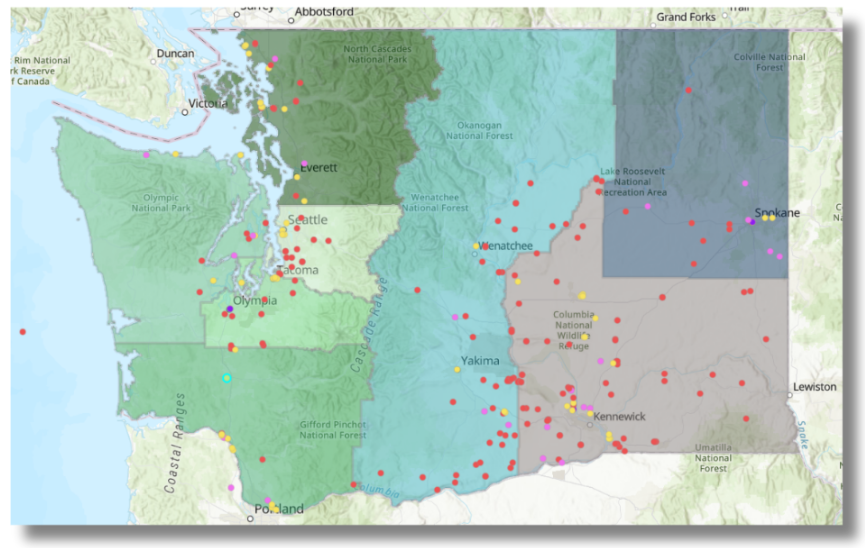
The Build SHIIT report finds that the existing clean energy pipeline contains:
- 24 gigawatts (GW) of new electricity generating capacity
- 13 GW of new storage capacity
- $149 billion in new statewide economic output
- $95 billion increase in state GDP
- More than 580,000 jobs (defined as job-years) created
- Over $60 billion in labor income earned across Washington households
Twenty-four GW of new clean generation could provide enough electricity to power approximately 7 million homes each year. The 13 GW of storage could power roughly 11 million homes for a four-hour period during peak demand.
Why does all of this matter? Washington’s glacial rate of clean energy development has not matched the state’s ambitions. This reality places Washington’s emissions reduction goals at significant risk of failure and keeps massive economic and employment opportunities out of reach.
Statements from Build SHIIT partners:
“Combating climate change and cleaning up our air requires one thing above all else: We must transition off of polluting and expensive fossil fuels. To do that, we need to build more clean energy facilities and we must do it much faster. Our goal with this report is to make clear the urgent stakes of continued delay, and to kickstart action across legislators, regulators, investors, and the broader community,” said Michael Mann, Executive Director, Clean & Prosperous.
“Electricity demand is rising fast, and meeting it sustainably requires building clean power and grid infrastructure at a much faster pace. The good news is that Washington already has hundreds of clean energy and manufacturing projects in the pipeline. Advancing them would unlock tens of gigawatts of new capacity, more than 580,000 jobs, and an estimated $149 billion boost to the state’s economy. It’s a clear win for both the economy and the clean energy transition, but only if stakeholders can move these projects from the pipeline into the ground,” said Ashna Aggarwal, Director of Analysis, Greenline Insights.
“The future of our economy depends on clean energy—it’s a proven job creator and an affordability solution. In Washington, we’ve already shown that we can reduce carbon pollution while growing our economy. It’s time to take that to the next level,” said Casey Sixkiller, Director, Washington State Department of Ecology.
“At Energy Northwest, we are committed to providing safe, reliable, cost-effective and responsible power. Delivering innovative, carbon-free energy technologies is core to what we do, and we support efforts to scale and accelerate clean energy development across Washington state. Collaborative action is essential to turn plans into progress to ensure our state meets its clean energy goals,” said Greg Cullen, Vice President, Energy Services and Development, Energy Northwest.
Thank you to our partners at Climate Solutions for helping make this report possible.
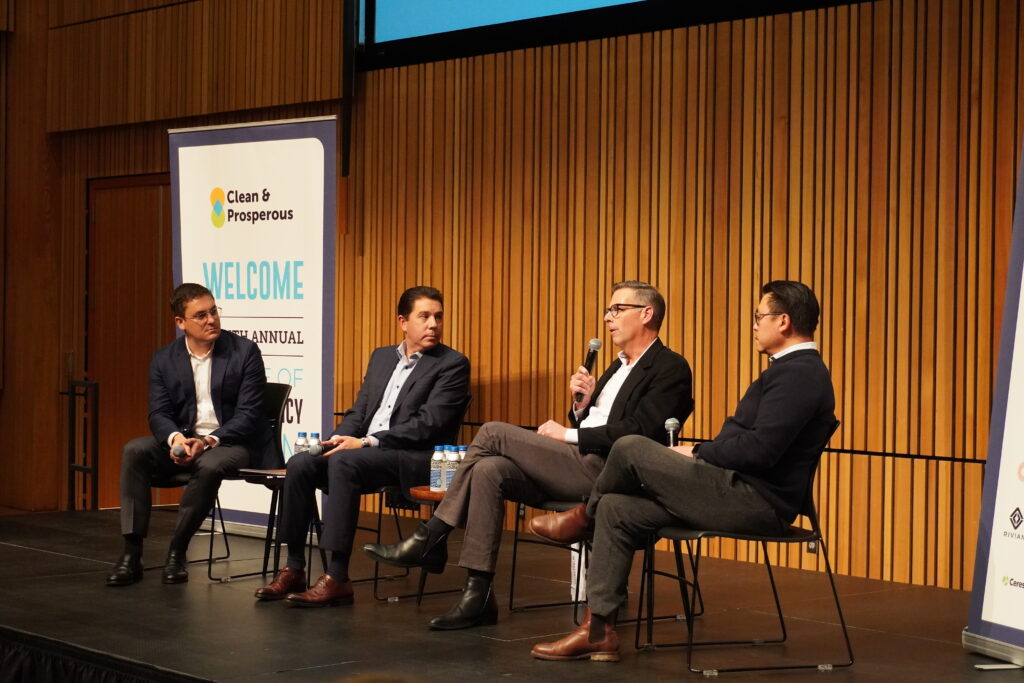
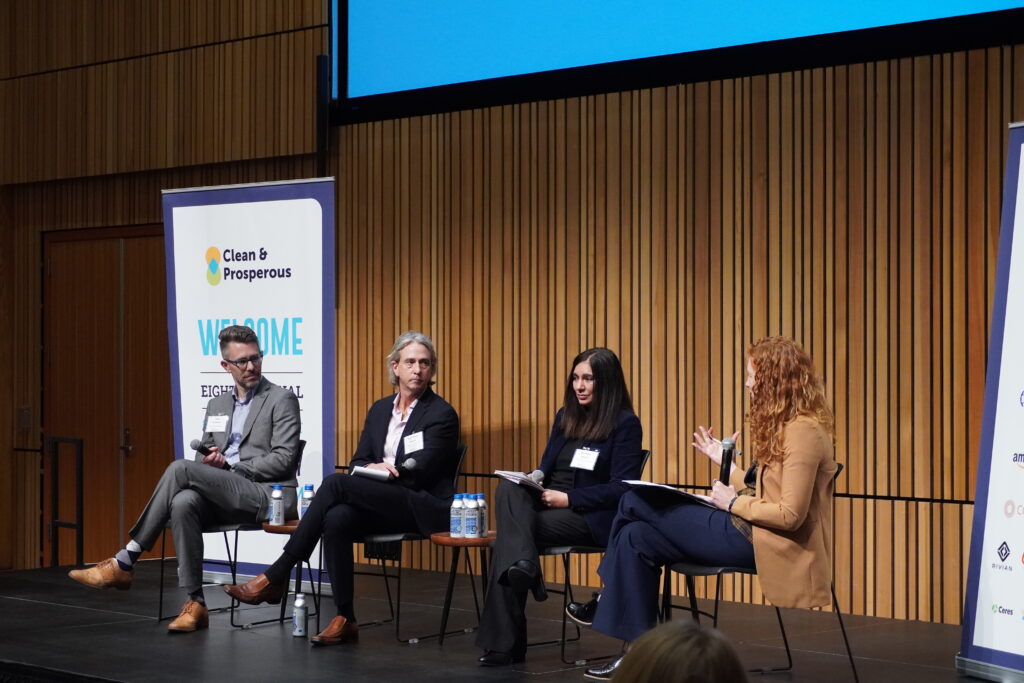
Thank You for a Wonderful 2026 Future of Carbon Policy Forum!
We want to thank all the panelists, moderators, sponsors, and attendees for making our 8th annual Future of Carbon Policy Forum such a success! Each year, it’s an honor to gather with our colleagues in the climate and clean energy space to advance our collective effort to foster healthier communities, create quality jobs, strengthen Washington’s global economic competitiveness, and set a national standard for effective climate action.
We also want to congratulate the 2026 winners of the David & Patricia Giuliani Clean Energy Entrepreneur award: Yakima Chief Hops!

Stay tuned for deeper dives on all three panels and our David & Patricia Giuliani Clean Energy Entrepreneur award finalists in future newsletters! If you aren’t already, subscribe here and share this newsletter with your networks.
Thank You to Our Sponsors!
Follow Clean & Prosperous
Follow Clean & Prosperous on social media to learn about our work to accelerate clean energy and power prosperity for communities across Washington. You can find us on these channels:
- LinkedIn: @clean-and-prosperous
- Instagram: @cleanandprosperous
- Bluesky: @cleanandprosperous.bsky.social