If You Build SHIIT, They Will Come
Our name, Clean & Prosperous, underscores our fundamental belief that transitioning away from fossil fuels to cleaner, renewable forms of energy will lead to prosperity for workers, businesses, and communities across our state. Simply: Clean energy development begets economic and workforce development. Today, let’s unpack why!
We’ll look at our own work with Greenline Insights as an example: Earlier this year, we released the Build Sustainable High Impact Infrastructure Together analysis, which evaluated more than 250 clean energy projects trapped in Washington’s pipeline that could amount to the following over 10 years:
- $149 billion in statewide economic output
- $95 billion increase in Washington’s GDP
- 580,000 jobs (defined as job-years)
- $60 billion in earned labor income
Our argument with Build SHIIT is a simple one: If we enable significantly more clean energy development in Washington state, we’ll simultaneously be unlocking a massive amount of economic investment and good-paying jobs. But…how?
Let’s start with the $149 billion in economic output – what does that actually mean, and how does it happen? Here’s what that includes:
- $86 billion in direct economic impact, which means money is flowing into industries directly involved in these development projects, primarily through capital investment in construction and wages and benefits for workers;
- $26 billion of indirect economic impact, meaning spending on goods and services needed to build these projects, like materials, equipment, and support from third-party vendors; and
- $37 billion in induced economic impact, which is a result of increased spending power among Washington communities, who in turn support local businesses like restaurants, health care services, and retail shops. This increased spending power is the result of wages paid to the workers supporting the directly and indirectly impacted industries.
Put simply: $149 billion reflects the initial capital investment to build these projects, plus the ripple effects as that spending flows through supply chains and into local economies through worker spending.
Let’s do the same breakdown for the 580,000 jobs:
- 358,700 directly-created jobs, meaning jobs that are created through project implementation. These jobs are largely in construction;
- 78,500 indirectly-created jobs, meaning jobs that are associated with goods and services that support direct implementation, including wholesalers, real estate, architects, and engineers; and
- 151,600 induced jobs created in industries benefiting from increased spending power among Washington workers, like food services, health care, and personal services.
In our Build SHIIT analysis, we found that every dollar invested in clean energy development results in $1.50 of economic benefits to Washington state. In terms of workforce development, every $1 million in clean energy investment creates approximately 5.9 new jobs, which delivers a 40 percent stronger investment to employment ratio than the statewide baseline.
The data is clear, but how does this play out in reality across the country?
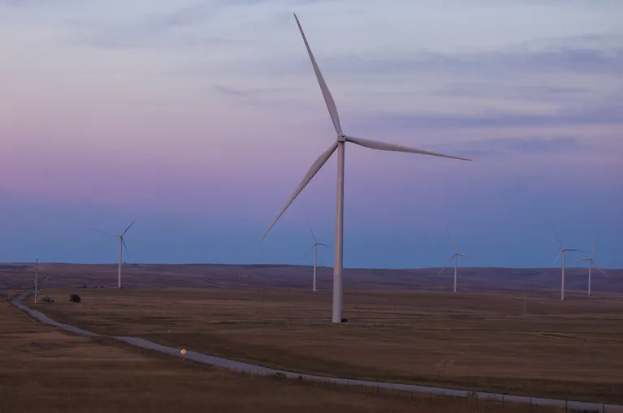
First, let’s look closer to home: The Beaver Creek Wind Project is owned by Puget Sound Energy in Stillwater County, Montana. The project created 200 skilled construction jobs – not including additional jobs created to operate the project on an ongoing basis. It provided $7 million in revenue for Stillwater County communities – that’s money going into public infrastructure like schools, a courthouse, and a civic center. On top of that, local landowners were able to lease their land to the developer, increasing local spending power, and supporting the kind of induced jobs and economic impact we discussed earlier.
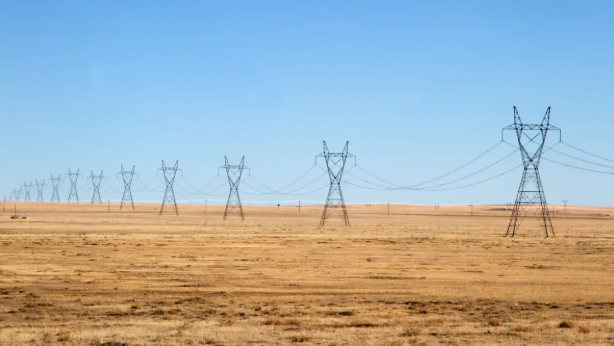
Next up: The TransWest Express Transmission Project, which crosses Wyoming, Utah, and Nevada. Over its life, this project will generate more than $1 billion in new tax revenue for local communities, due to property taxes paid by the developer and sales taxes paid by the developer on materials needed for construction. These are dollars that get invested right back into local communities.
Developers anticipate that TransWest will create thousands of local, good-paying jobs, and they’ve entered into partnerships with the International Brotherhood of Electrical Workers (IBEW) and International Union of Operating Engineers (IUOE) to ensure jobs go to represented, skilled local workers.
At the end of the day, our neighbors to the south offer the best example of how decarbonization doesn’t block – it can even facilitate – massive economic growth. Late last year, the State of California announced that – since 2000 – their greenhouse gas emissions have dropped 21 percent, while their economy in turn grew 81 percent. From 2000-2024, Washington state and California have the second and third fastest-growing GDP per capita, which again shows that ambitious decarbonization policies are not a barrier to economic growth.
All of this is why we believe that the clean energy transition is inevitable; it brings a level of shared, sustainable prosperity across communities, workers, businesses, and governments that is unparalleled in other energy sources.
If you Build SHIIT, they will come!
Last Chance to Guarantee Your Spot on Study Mission 6.0
Speaking of Build SHIIT – this weekend is your last chance to secure your spot on Study Mission 6.0: Building Bigger & Faster in Texas. By the end of day today, April 17, any new registrations will be added to a wait list, and participation in the delegation is no longer guaranteed.
From May 11 – 15, we’ll be heading down south to Austin and Houston to explore how the nation’s clean energy growth leader is getting projects built. Texas is rapidly scaling solar, wind, and battery storage, and attracting major investment in emerging decarbonization technologies.
Here are the details:
- When: Monday, May 11 – Friday, May 15, 2026
- Where: Austin and Houston, Texas
- Tickets: $3,950 per ticket.
Tickets include lodging, meals, and activities in Texas. Delegation members will be responsible for their own travel into and out of Texas. You can get your tickets, find recommended flight information, and review trip highlights here.
Thank you to our sponsors for making Study Mission 6.0: Building Bigger & Faster in Texas possible!
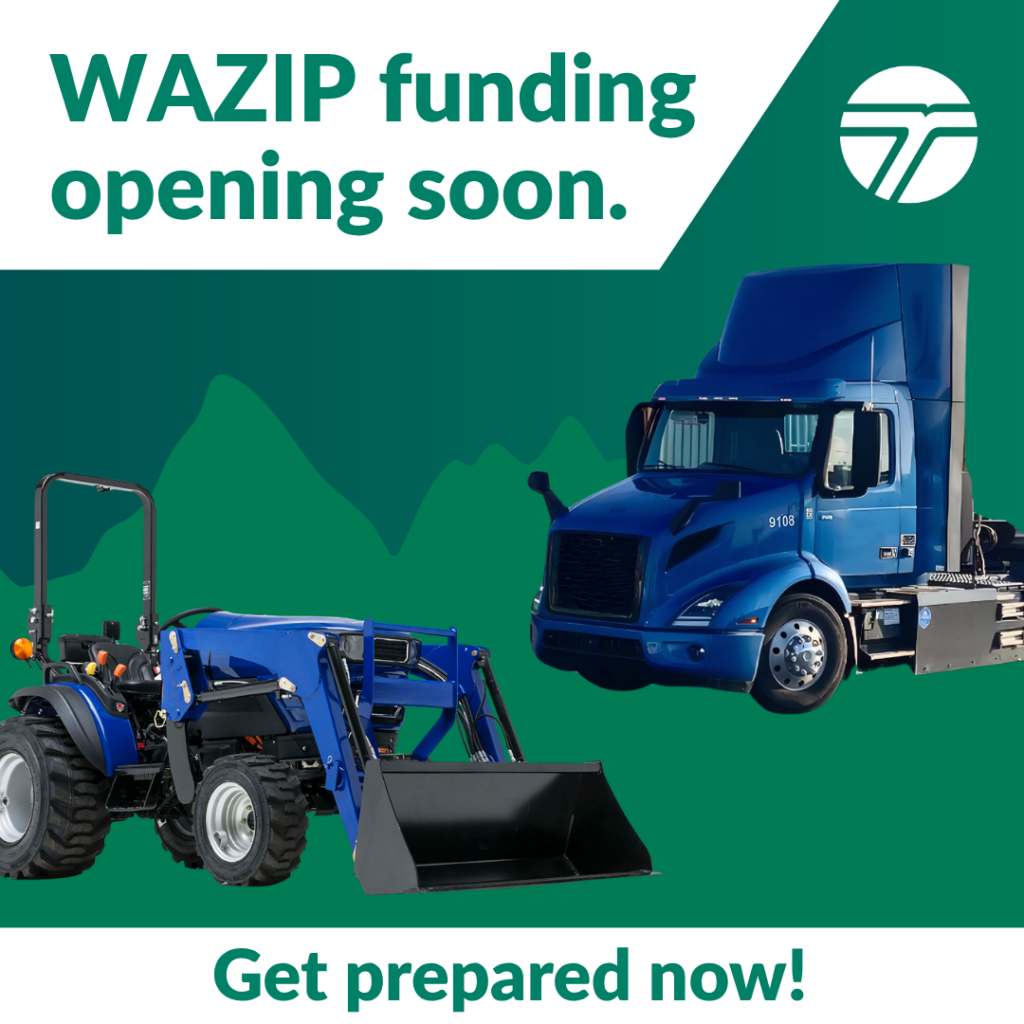
WAZIP funding opens soon. Are you ready?
Set your course—WAZIP funding opens soon
The Washington Zero-Emission Incentive program is opening soon, giving Washington businesses a powerful opportunity to reduce the cost of transitioning to zero-emission commercial vehicles and equipment. Beyond the savings, you’ll help build a more sustainable future and promise cleaner air for our communities. If you haven’t started yet, now is the time to prepare.
Lock in your route before funding opens
Ready to purchase zero-emission vehicles or equipment? Review eligibility requirements, explore available vehicles, and walk through the WAZIP Implementation Manual so you’re ready to act when funding is released. Vouchers will be issued on a first-come, first-served basis, so early preparation is key.
Purchasers: Need assistance? WAZIP Technical Assistance provides personalized one-on-one support for businesses and owner operators to navigate making the switch to zero-emission with WAZIP. Submit a request, and the WAZIP Technical Assistance team will respond during normal business hours.
Important for dealers: Dealers interested in participating must have all paperwork submitted and complete WAZIP Dealer Training by April 17, 2026, to be eligible to submit voucher applications when the Voucher Processing Center opens.
Prepare now and be at the front of the line for WAZIP funding
WAZIP voucher requests open April 29, 2026, and funding will be issued on a first-come, first-served basis. Now is the time to prepare.
WAZIP is funded by Washington’s Climate Commitment Act (CCA), managed by the Washington State Department of Transportation (WSDOT), and administered by CALSTART.
Follow Clean & Prosperous
Follow Clean & Prosperous on social media to learn about our work to accelerate clean energy and power prosperity for communities across Washington. You can find us on these channels:
- LinkedIn: @clean-and-prosperous
- Instagram: @cleanandprosperous
- Bluesky: @cleanandprosperous.bsky.social