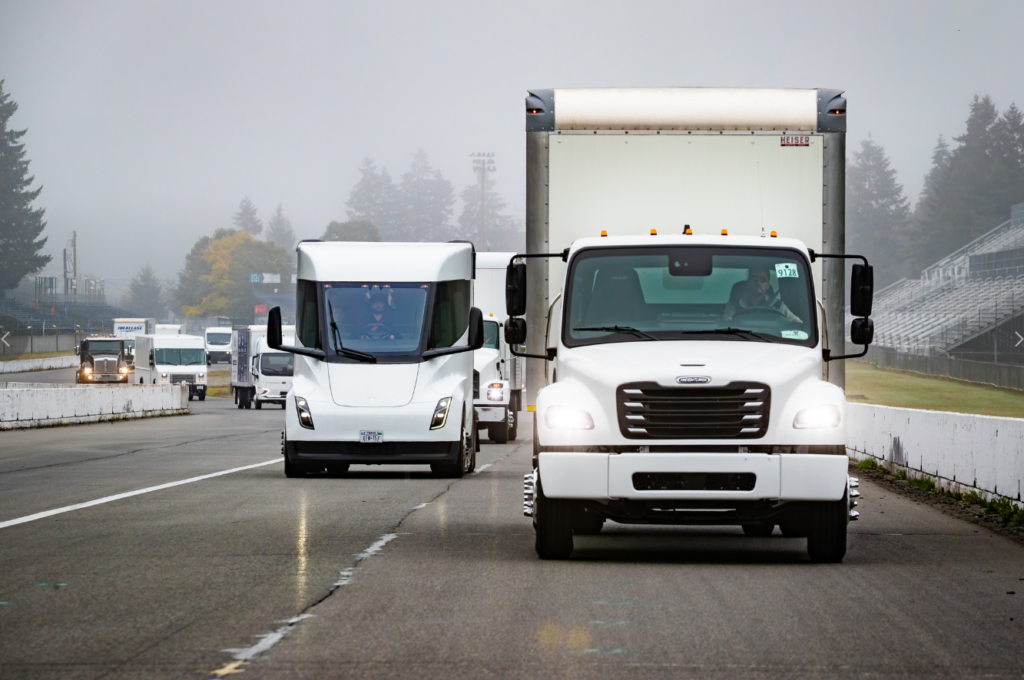
Last month, President Trump signed a law that dramatically rolls back climate and clean energy elements of the Inflation Reduction Act, including several sets of tax credits meant to increase the accessibility and affordability of clean energy technologies like solar panels and electric vehicles (EV).
Many of these clean energy tax credits are sunsetting soon. In particular, the EV tax credits are set to expire on September 30, 2025. If you have been thinking about purchasing or leasing an electric vehicle – now is the time before these tax credits expire. Don’t leave money on the table!
The following EV tax credits expire on September 30:
Transitioning to an electric vehicle is not only great for reducing pollution – it’s great for the consumer! EVs dramatically reduce the amount an individual spends on transportation fuels and ongoing maintenance. Our own research shows that Washington state leads the nation in cost savings per gallon of gasoline avoided.

EVs are also leading the market in terms of innovation and overall quality. Here’s a great segment from New Day Northwest that breaks down what to consider when purchasing an EV. The segment emphasizes something that often gets lost in the conversation around EVs: They’re fun to drive! They’re quieter, quicker, and of course, more affordable in the long-run.
In addition to the tax credits and the lifetime savings associated with an EV, many manufacturers and utilities are offering incentives to increase uptake:
- Ford is covering the cost of an at-home Level 2 charger – including installation – until the tax credits expire on September 30.
- Puget Sound Energy offers an incentive program that could save households up to $600 when they install an at-home Level 2 charger. This program is not time-bound to the tax credits and is available year-round. Learn more here.
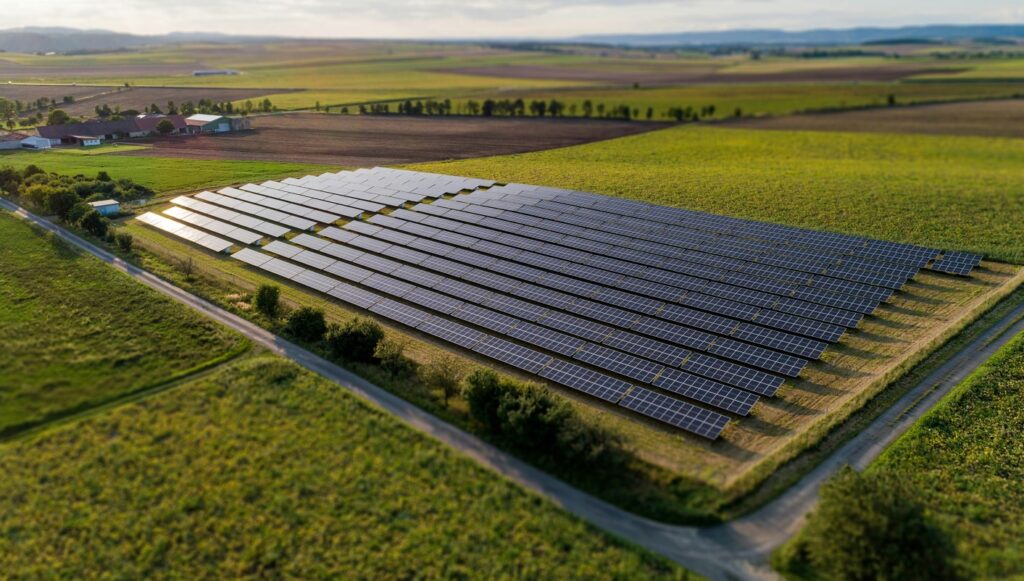
In addition to the EV tax credits, energy tax credits for solar and wind are phasing out for projects that start construction after July 2026 AND are placed in service after December 31, 2027. Nuclear, geothermal, battery storage, and other clean energy tax credits will start phasing out in 2034.
Here’s a great breakdown from Grist on how to use the clean energy tax credits before they expire.
RMI also has a useful guide on how states can capitalize on federal funding opportunities before they phase out: “Six State Priorities to Get Clean Energy Wins.”
Ford Announces $5B Investment in EVs
Earlier this week, legacy American automaker Ford announced a $5 billion investment in domestically-manufactured electric vehicles. This investment could revolutionize the automaker’s approach to EV manufacturing, which could result in $30,000 electric pickup trucks.
This is yet another example of how – despite federal retrenchment – the market is still steadily shifting toward the clean energy transition. Ford’s announcement of a $30,000 electric pickup represents a substantially more affordable option, making the marketplace even more robust and attractive to consumers.
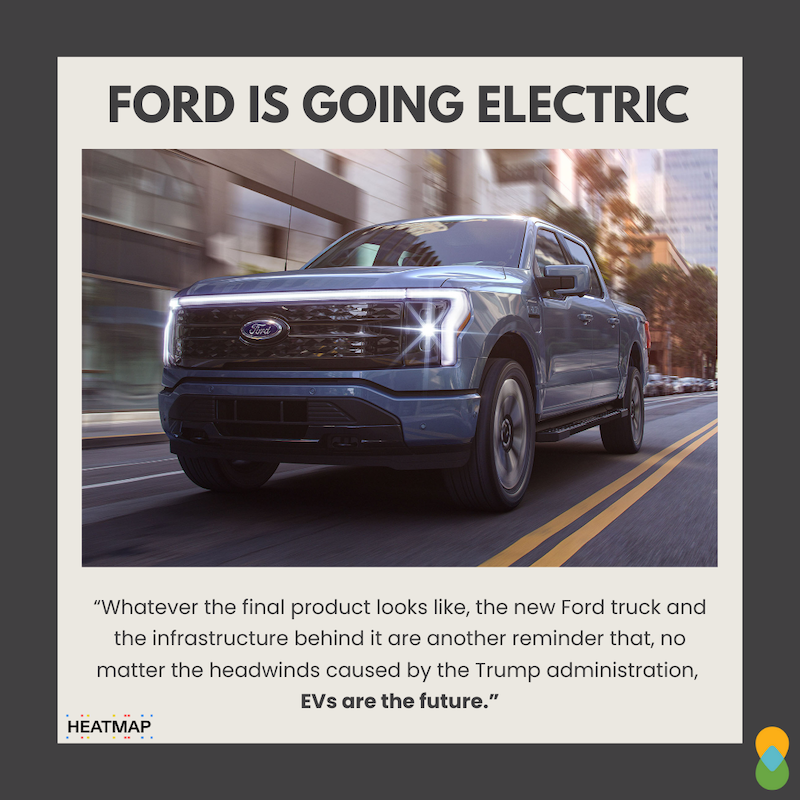
This article from Heatmap has the key takeaway: “Whatever the final product looks like, the new Ford truck and the infrastructure behind it are another reminder that, no matter the headwinds caused by the Trump administration, EVs are the future.”
Read the full story from Heatmap here.
“Fire and Environmental” Concerns and Battery Storage in WA
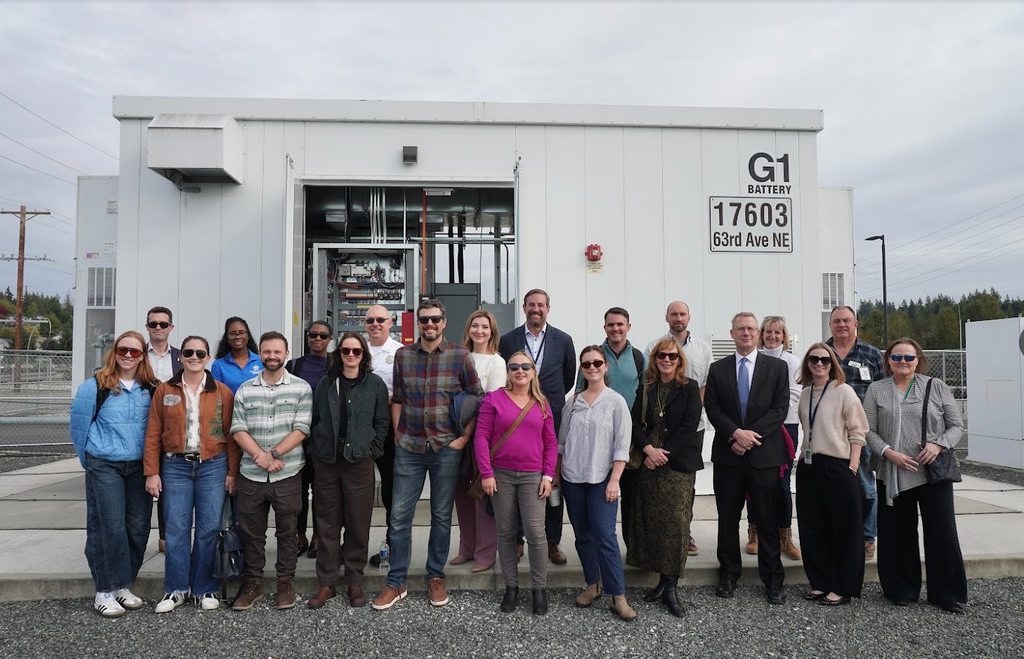
You may have seen reporting recently about two Battery Energy Storage System (BESS) projects in Washington that have generated some local opposition. Project opponents cite concerns related to the potential for fires originating from the facilities.
Concerns over potential fires – and the downstream effects they have on the environment – are valid. However, fires at BESS facilities are rare, and it is important to remember that fire risk is prevalent at other energy infrastructure that is already ubiquitous in our neighborhoods, including gas stations, natural gas generators, power lines, and even the majority of drivers in gas-powered cars with combustion engines.
Battery storage – whereby electricity generated from renewable sources is stored and then deployed at a later time – is a crucial element of the clean energy transition. It builds resiliency, makes sources of clean power like solar more viable, and reduces stress on our already-strained power grid.
Washington state has rigorous siting and permitting criteria for energy facilities, including battery storage. When we slow down the siting of these important facilities, especially by publicly holding them to standards that are more stringent than fossil fuel and natural gas infrastructure, we slow down our clean energy transition. Ultimately, we slow our ability to reduce pollution and mitigate the effects of climate change.
The key takeaway: BESS is an important element of our ability to reduce pollution and transition to a clean energy economy. Risk of fire is rare, but is a valid concern that can and is being appropriately managed. Pacific Northwest National Laboratory (PNNL) has a great resource on how businesses, planners, and communities can effectively plan for BESS.
Follow CPI on Social Media
Follow Clean & Prosperous Institute on social media to learn more about our work to transition to a clean energy economy. You can find us on these channels:
- LinkedIn: @clean-prosperous-institute
- Instagram: @cleanprosperousinstitute
- Bluesky: @cleanandprosperous.bsky.social