Seeing Utility-Scale Renewables Up Close in Texas
One of the central reasons we brought our study mission delegation to Texas was to see utility-scale clean energy projects up close and personal! We do not have nearly enough utility-scale renewable projects in Washington state to meet projected demand and our climate goals (especially when you factor out hydropower), and no utility-scale Battery Energy Storage Systems (BESS).
Case in point, we estimate that Washington state has 25 megawatts (MW) of BESS in total, and Texas has 14,980 MW.
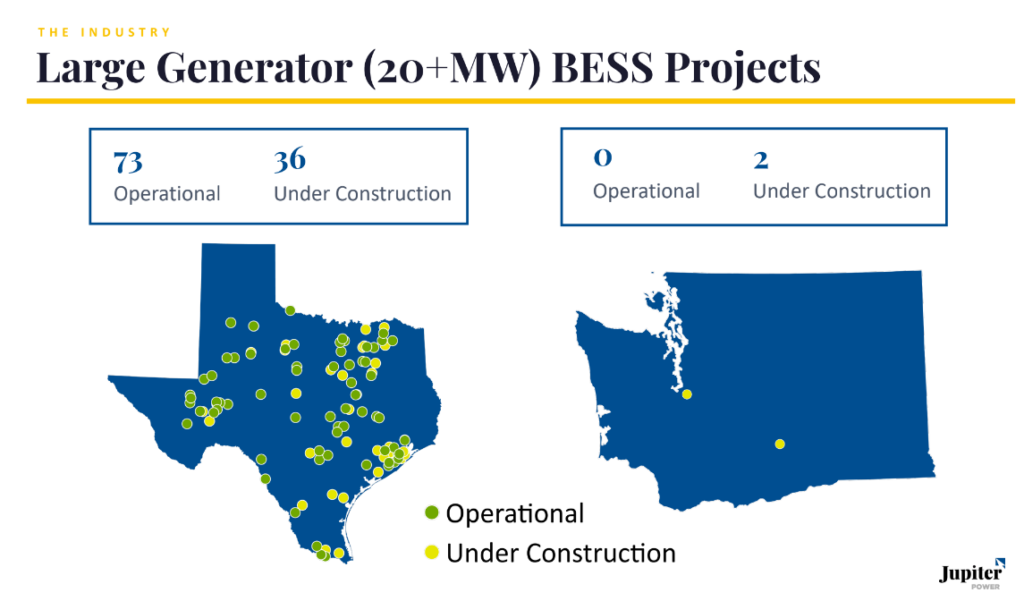
(We’ve waxed poetic on the value of BESS before; you can read that newsletter here.)
During the study mission, we heard from BESS developer Jupiter Power on the ways batteries strengthen the grid while helping transition away from polluting fossil fuels. Here’s a great slide from their presentation that we want to linger on for a moment:
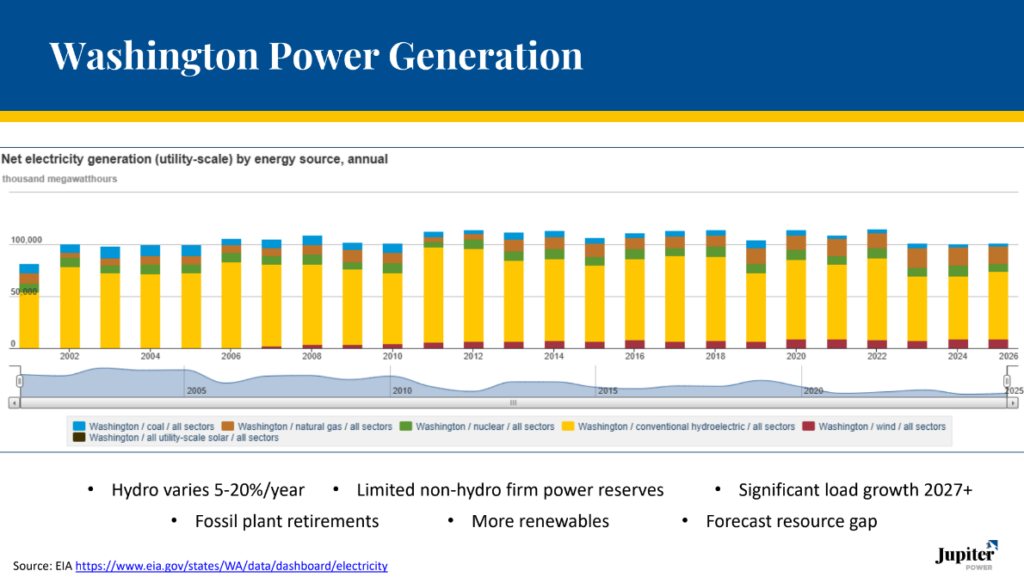
You can tell from the above chart that Washington’s power generation has essentially been stagnant – even declining – over the last two decades. We are incredibly reliant on hydropower and have seen almost no material increase in utility-scale solar and BESS. In fact, the largest increase in generation we’ve seen has been in natural gas.
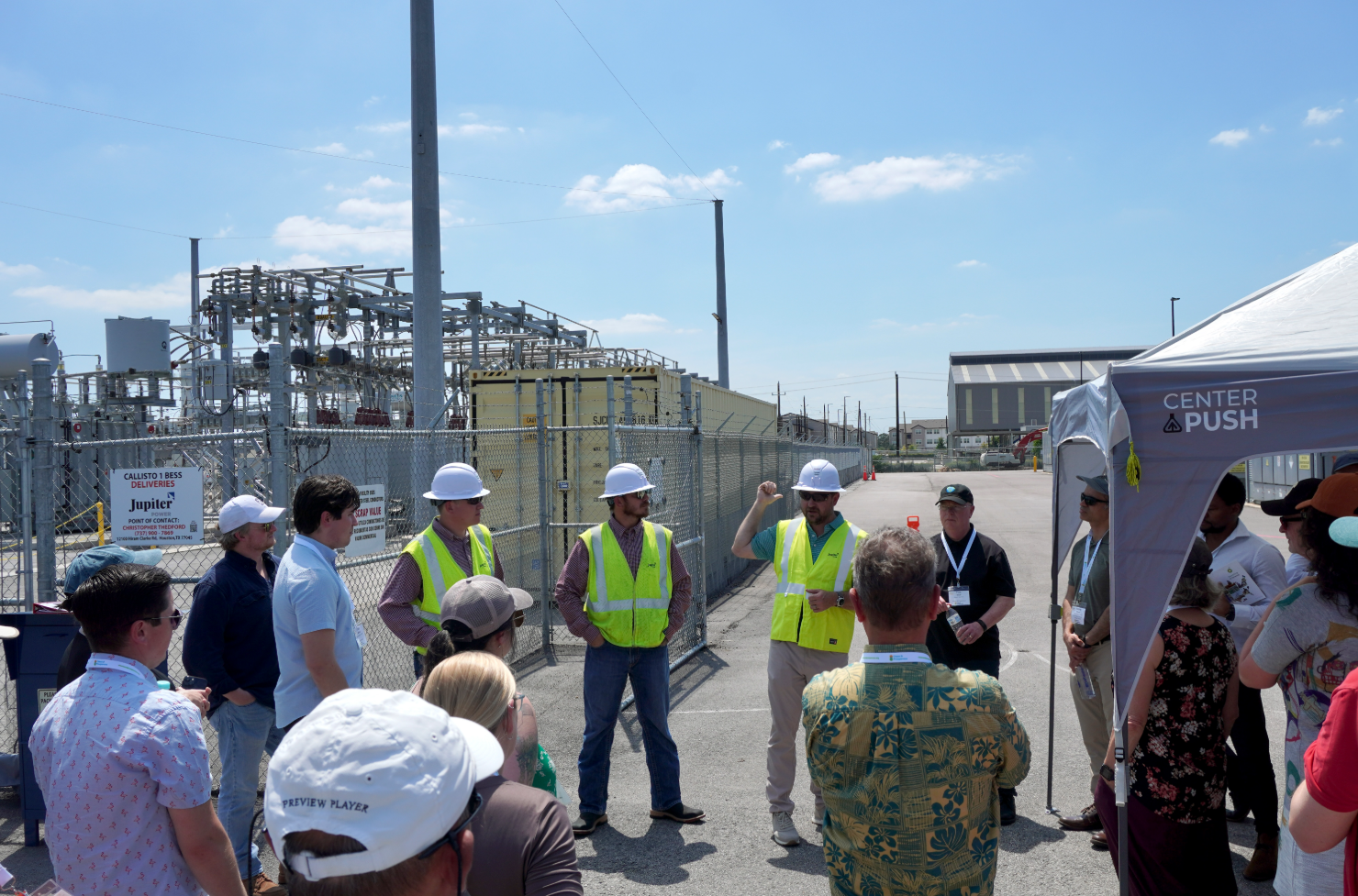
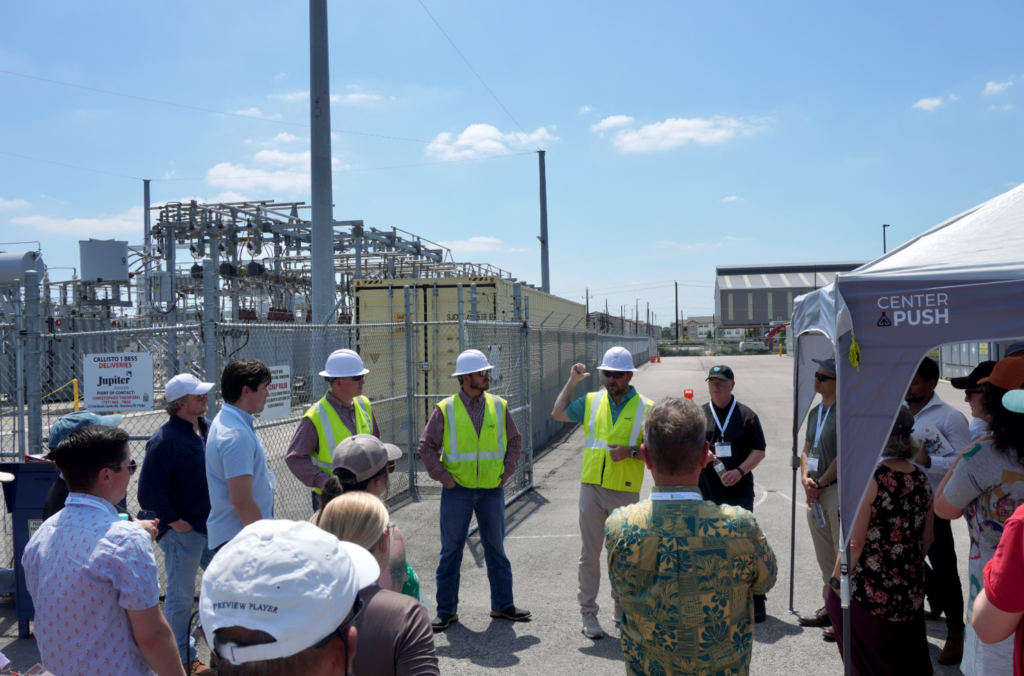
Later in the study mission, the delegation visited the Callisto I Energy Center in Houston, which is a 200 MW battery storage facility built on the site of a former fossil fuel power plant. We learned how grid-scale battery storage helps improve reliability and deliver clean power when and where it’s needed most.
The delegation also stopped by the “Big Star Solar” project in Rosanky, TX. The facility pairs 200 MW of solar generation with 80 MW of battery storage across 1,700 acres and generates enough electricity to power roughly 57,000 homes.
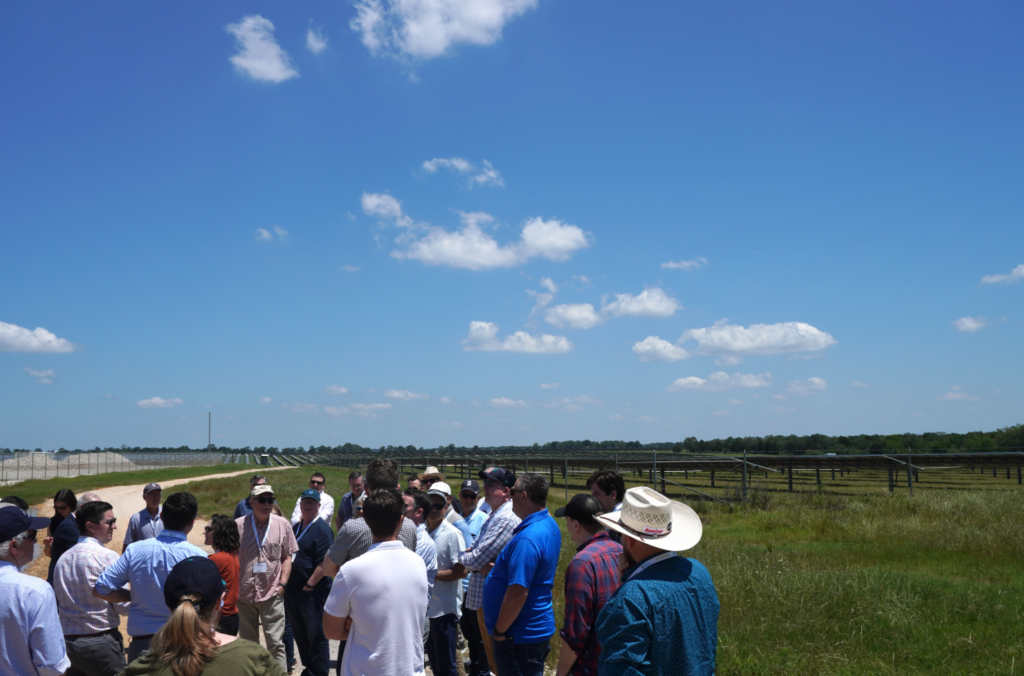
Delegation member and House Energy & Environment Chair Beth Doglio noted that battery storage projects like these can help make solar and wind development viable, yet many projects in Washington still face major permitting hurdles. Texas is showing what it looks like to build energy projects at scale. The question for Washington is how we can bring that momentum home.
Thank you to our sponsors for making Study Mission 6.0: Building Bigger & Faster in Texas possible!
California Takes an Important Step Toward Linkage
Last week, the California Air Resources Board voted to advance updates to California’s cap-and-invest program. For Washington, continued progress in California helps maintain momentum on linkage and brings the state one step closer to joining the California-Québec market.
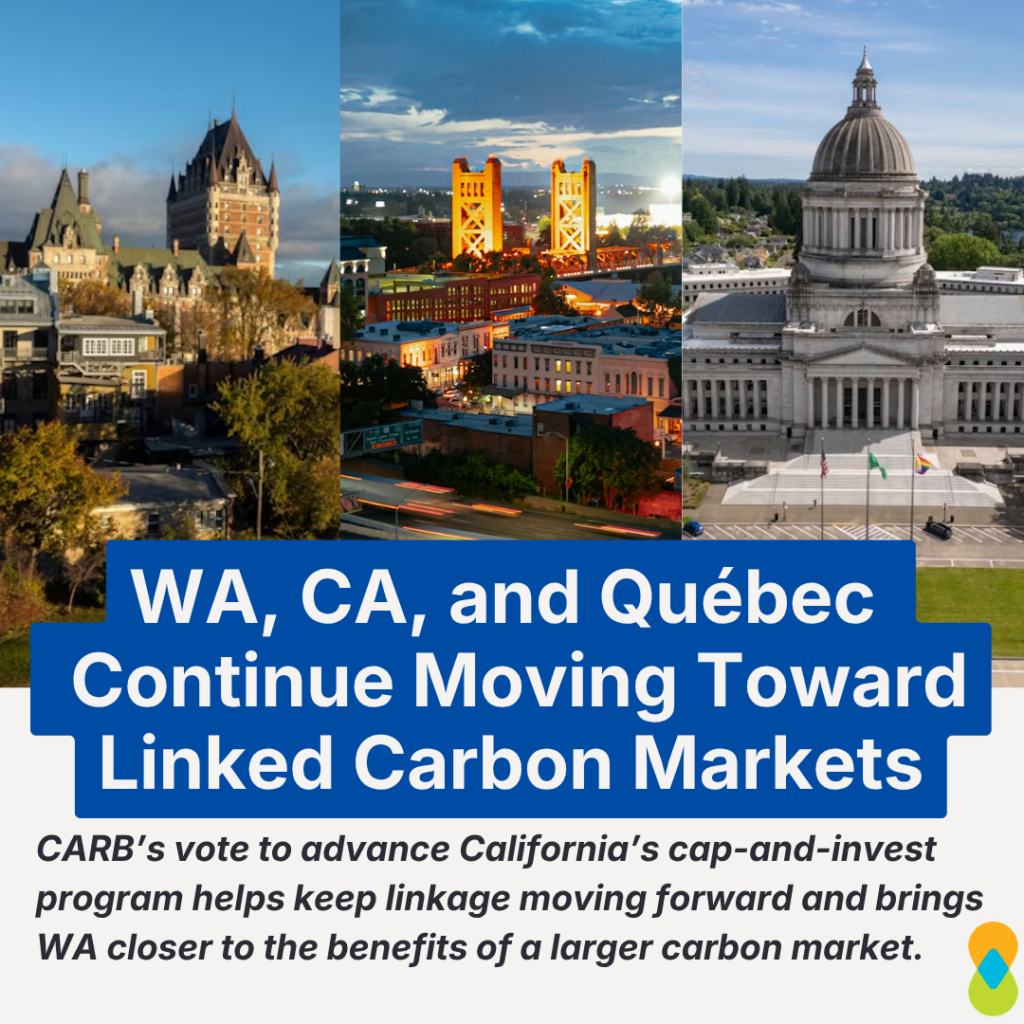
Across jurisdictions, linkage can enhance resilience, affordability, and environmental integrity while supporting continued climate ambition and emissions reductions.
Read more about the importance of linkage in this newsletter.
Follow Clean & Prosperous
Follow Clean & Prosperous on social media to learn about our work to accelerate clean energy and power prosperity for communities across Washington. You can find us on these channels:
- LinkedIn: @clean-and-prosperous
- Instagram: @cleanandprosperous
- Bluesky: @cleanandprosperous.bsky.social