What the Climate Movement Can Learn from Housing
The gulf between Washington’s climate ambitions and its actions is dangerously close to becoming insurmountable.
Our state has a long history of environmental leadership. We were the first state in the country to establish a comprehensive environmental agency, creating the Washington State Department of Ecology in 1970. The first administrator of the Environmental Protection Agency? He was from Washington state.
More recently, we’ve passed nation-leading climate policies in the Clean Energy Transformation Act (CETA) and the Climate Commitment Act (CCA). Taken together, these policies seek to decarbonize our electric grid and reduce our greenhouse gas emissions across sectors until Washington reaches net-zero.
Both of these policies require us to scale up our clean energy generation. It should be self explanatory: If we don’t generate more clean power, then we can’t transition off of fossil fuels. We can’t electrify transportation, and we can’t decarbonize industrial facilities.
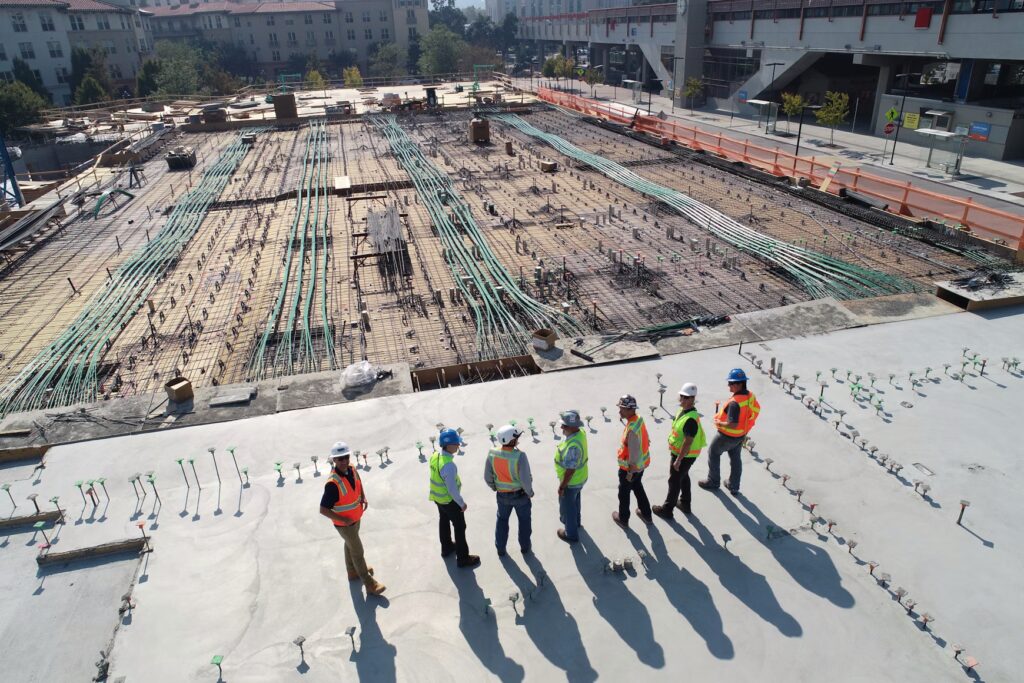
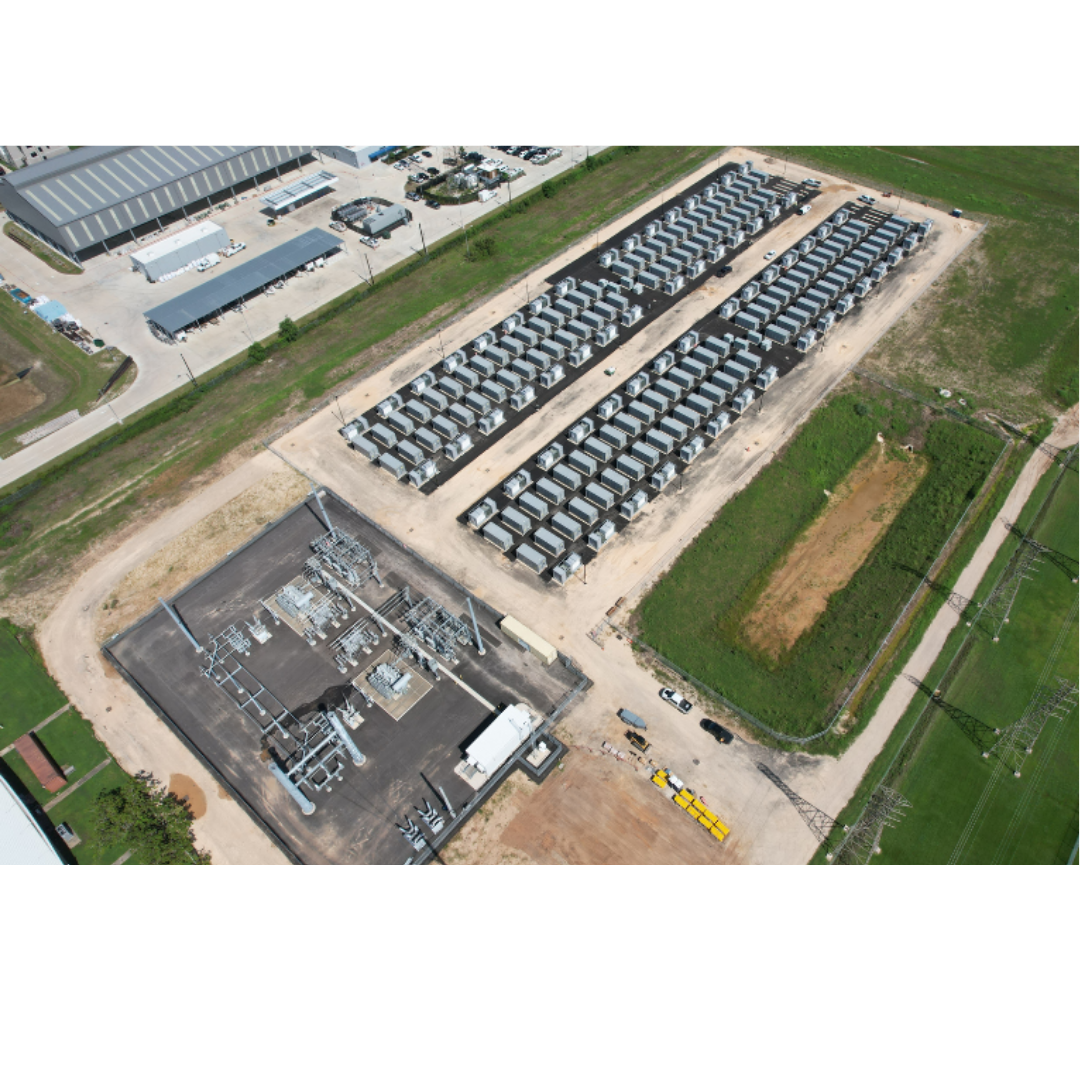
The reality? Washington is essentially building nothing. If that sounds like an exaggeration, it isn’t. We’re dead last in renewable energy growth over the last 20 years. We have 0.2% of the megawatts of utility-scale battery energy storage systems (BESS) that Texas has. In 2005, Washington generated approximately 100,000 gigawatt hours (GWh) of net utility-scale energy. In 2025, also approximately 100,000 GWh. Put simply, our energy generation hasn’t changed, but our demand has increased substantially.
The good news? Washington already has a playbook for how to address a supply crisis. With housing.
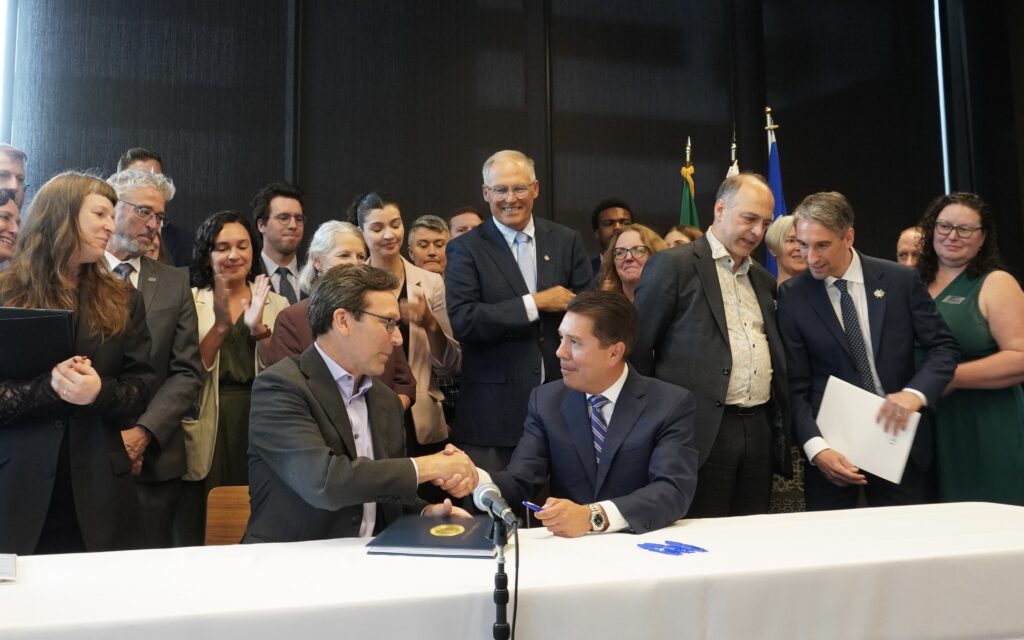
Across constituencies, we saw a problem – a stunning lack of housing supply – and began to address it with regulatory updates that met the crisis with the urgency it demanded.
It’s time to do the same with climate and clean energy.
We need to tap into the existing playbook that worked to break down regulatory barriers to building new housing. There are so many reforms we can recontextualize for clean energy, ranging from by-right siting near transmission, to a shot clock with permit deadlines and fee refunds for the project sponsor if the permitting authority misses those deadlines, to limiting opportunities for appeal and expediting permit reviews.
The 2027 legislative session represents Washington’s last best chance to reasonably make changes to how we permit and site clean energy projects before we start facing significant decarbonization deadlines in 2030. We urge the Legislature to embrace the housing playbook for clean energy. We call on our fellow climate advocates to adopt clean energy development as core to our mission – as affordable housing advocates have done. And for all of us that believe in combating climate change: It’s time to raise our hands publicly and identify as a clean energy YIMBY (Yes In My Backyard).
Let’s Build SHIIT, Washington.
Join Us at the 2026 Forth Roadmap Conference
Clean & Prosperous is proud to support Forth Roadmap, the country’s premier electric transportation conference, happening September 13-15 in Seattle. Exciting news: You can use our discount code 75CLEANDPRO to get $75 off a full conference ticket. Enter the code at this link to claim the discount and get your ticket today.

Roadmap 2026 brings together policymakers, utilities, automakers, charging providers, and industry innovators to advance clean transportation solutions and shape the future of mobility. Let’s connect, collaborate, and power the future of mobility.
Follow Clean & Prosperous
Follow Clean & Prosperous on social media to learn about our work to accelerate clean energy and power prosperity for communities across Washington. You can find us on these channels:
- LinkedIn: @clean-and-prosperous
- Instagram: @cleanandprosperous
- Bluesky: @cleanandprosperous.bsky.social