Results From the First CCA Auction Since Linkage Agreement
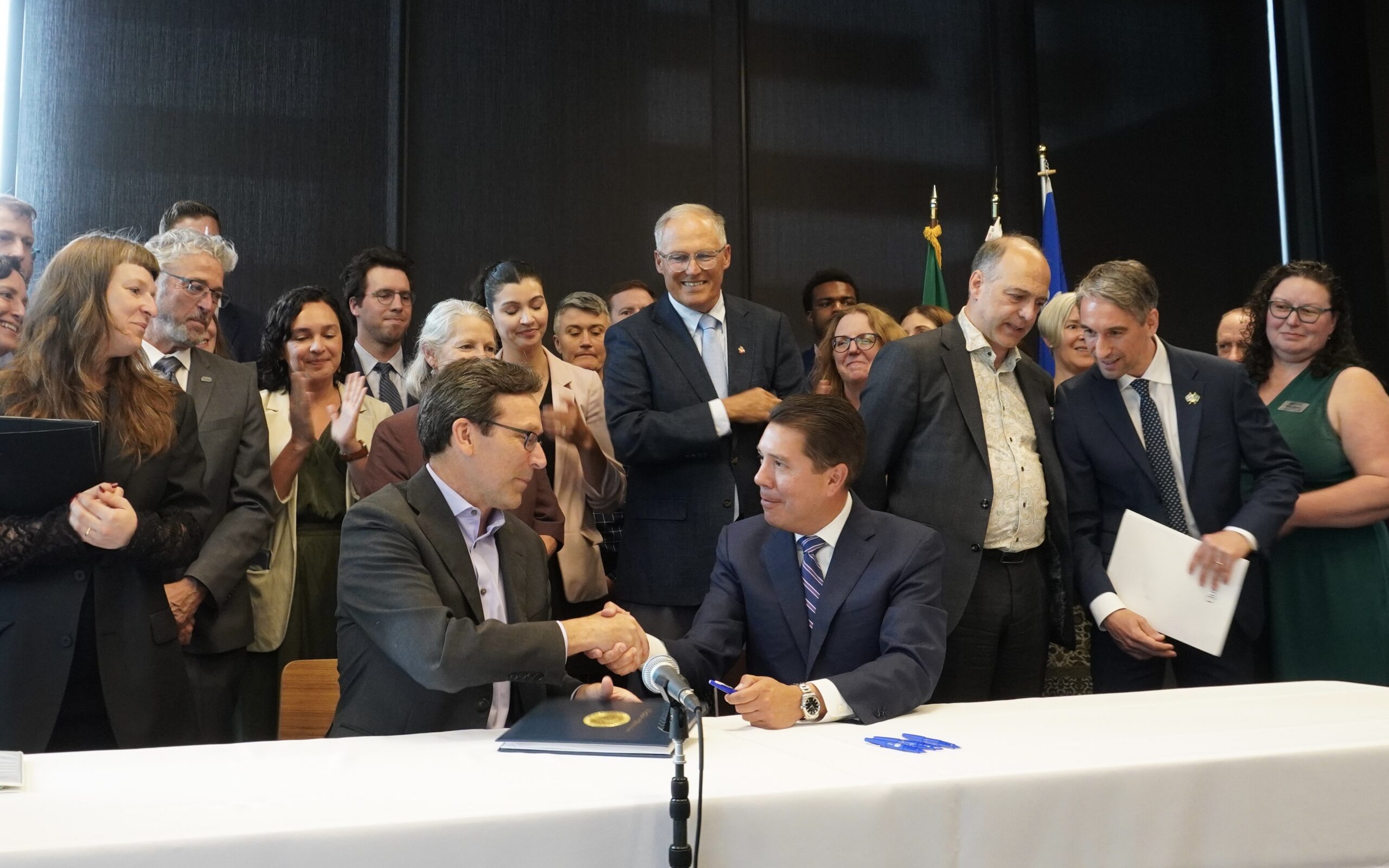
On Wednesday, September 9, the Washington State Department of Ecology (ECY) released the results from the Climate Commitment Act (CCA) Auction #15. This was the first quarterly allowance auction since Washington state signed a linkage agreement with California and Québec, which would see Washington join the largest subnational carbon market in the world.
Auction #15 generated $110.6 million to invest in climate and clean energy projects, and another $137.6 million that utilities are required to use for low-income bill assistance. Allowances sold at $39.50 each, which represents a substantial drop from the previous auction, which saw allowances sell for $64.56 each.
The drop in Washington’s allowance prices coincides with a slight increase in California’s allowance price, which came in at $32.48 on August 26, compared to their previous allowance price of $28.81 on May 27.
Here are our main takeaways from Auction #15:
Market participants are more bullish on linkage than previously expected. Clean & Prosperous has long made clear that a linked market will result in more affordable allowance prices. While this drop is steep, it isn’t unexpected, and indicates market participants are confident Washington, California, and Québec will operate a linked market in 2027, resulting in a wider pool of available allowances.
The dip in price also likely reflects ECY releasing guidance related to House Bill 1975, which will open up a wider pool of allowances in the final quarter of this year. As a reminder, HB 1975 steadies compliance periods without altering Washington’s overall emissions reduction goals. You can find more information on HB 1975 in this presentation from ECY.
We are already seeing the impacts of a more affordable linked market. Participating in a linked carbon market will make Washington’s emissions reduction efforts more affordable by creating a steady, predictable market and wider allowance pool for covered entities. As a result, allowance prices will decrease, which in turn will reduce costs for Washington communities.
We’re already seeing this play out in practice. On August 31, Avista filed a 11.5% natural gas rate decrease with the Washington Utilities and Transportation Commission, which they attribute to the CCA. This is a case of anticipated linkage putting money directly back into Washingtonians’ pockets.
This and future auctions will put even more pressure on the CCA budget. Our initial analysis shows that this auction alone brought in $35 million less than was forecast by ECY in July of this year. This means it’s even more crucial that we be discerning with the CCA budget, and focus investments on projects with demonstrated greenhouse gas reductions that have additional impacts on affordability, job creation, air quality improvements, and help facilitate the clean energy transition.
It also means it’s even more important that the Legislature honor their commitment to repay the $637 million in CCA funding they swapped to fill general fund obligations.
The next regular CCA auction is set for December 2, with additional smaller volume, fixed-price Containment Reserve auctions on September 16 (Emissions Containment Reserve) and September 30 (annual pre-compliance Allowance Price Containment Reserve). The results will offer important data on whether auction prices in the high-30s will be Washington’s new normal.
One final note: Washington is now connected – more than just rhetorically – to California. Their actions move our market, and close collaboration going forward will be crucial.
Test Drive the Future of Fleet Operations
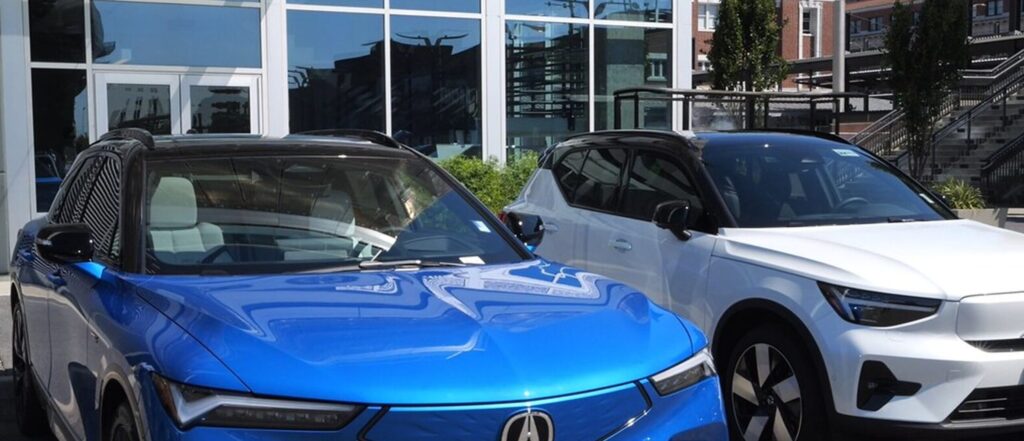
A hands-on demonstration can help businesses better understand how zero-emission technologies perform in real-world conditions.
At the Washington Zero-Emission Incentive Program (WAZIP) Ride & Drive, you’ll have the opportunity to experience a variety of eligible commercial vehicles and equipment in a real-world setting at Pacific Raceways.
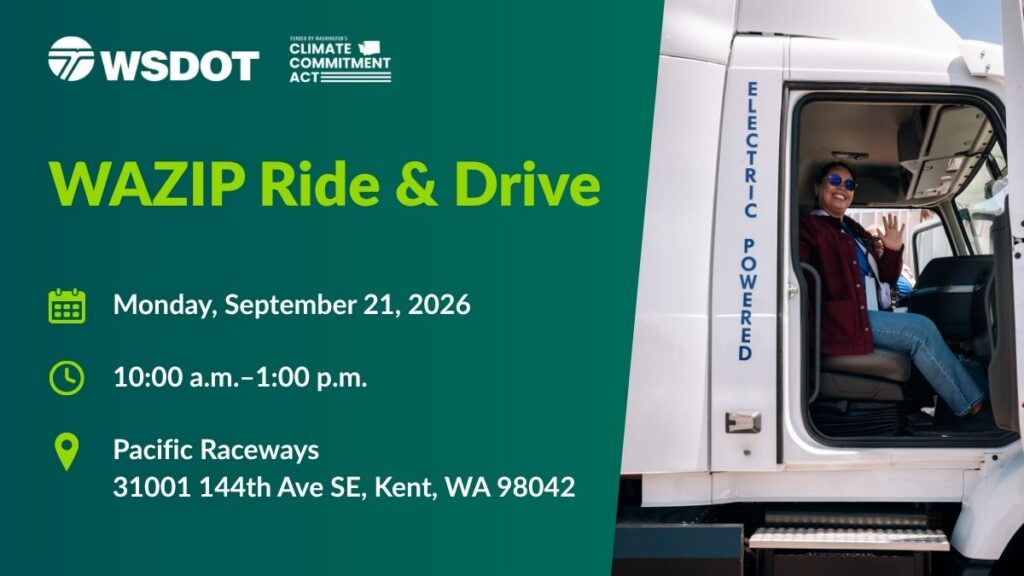
Attendees will be able to explore the following vehicles and equipment:
- Medium- duty box trucks & step vans
- Heavy-duty semis
- Electric harbor craft
- Electric mini excavator, mini wheel loader, & backhoe
- Electric skid steers
- View the full list (regularly updated)
You’ll also be able to speak directly with manufacturers, dealers, technical advisors, utilities, and WAZIP staff to get answers to questions you have.
Join us on September 21 and discover which zero-emission solutions could work for your organization.
Follow Clean & Prosperous
Follow Clean & Prosperous on social media to learn about our work to accelerate clean energy and power prosperity for communities across Washington. You can find us on these channels:
- LinkedIn: @clean-and-prosperous
- Instagram: @cleanandprosperous
- Bluesky: @cleanandprosperous.bsky.social