When Perfect is the Enemy of Climate Progress
We’re massive fans of the beautiful game at Clean & Prosperous. All soccer fans know this truism: To win, you have to take shots on goal. And you have to celebrate those shots on goal as meaningful forward progress, bringing you closer to victory (which is often elusive).
You might be able to tell where we’re going with this.
In the environmental and climate space, both in Washington and nationally, we often watch leading organizations advocate for not taking the shot. Instead, pass the ball back to your defenders. Reset and wait for the perfect moment. All too often, it never comes.
Here’s our belief: Perfect is the enemy of climate progress.
We’re seeing this play out in two major arenas. We’ll dive into the first in today’s newsletter.
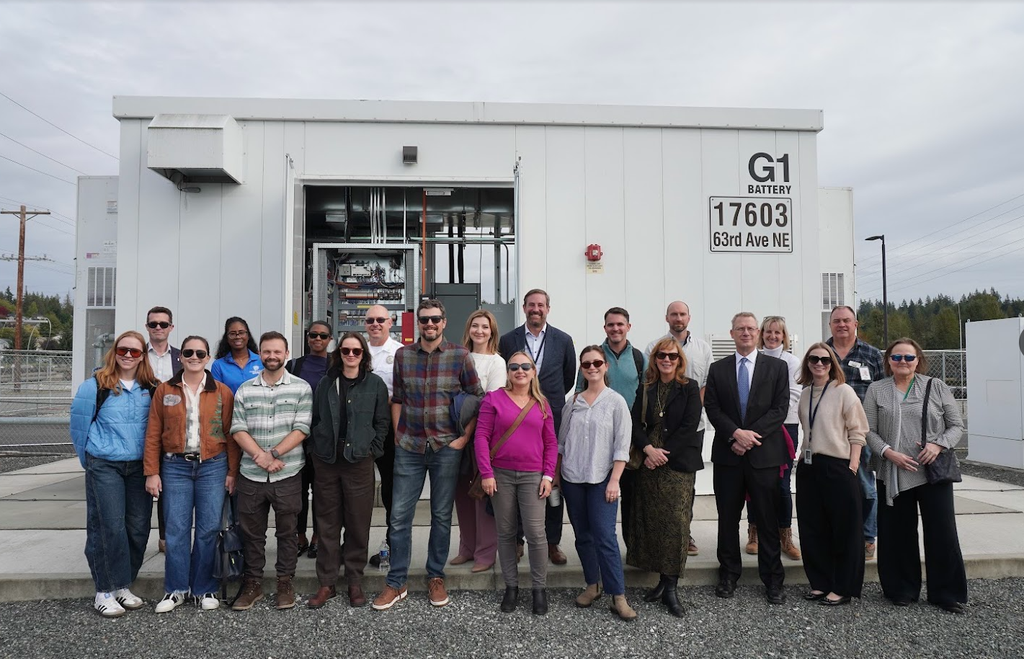
There is growing community-level opposition to clean energy projects, especially here at home. A recent example includes the Snoqualmie City Council enacting a moratorium on battery energy storage systems (BESS) in response to some local residents’ opposition to a planned utility-scale project.
An article in Stateline that dove into the project – and the phenomenon of community opposition to BESS writ large – featured this quote from a Snoqualmie City Councilmember: ‘“We need to think more carefully about what the worst-case scenario is, not just what’s typical,” said Dan Murphy, a council member in the city of Snoqualmie. “The science says (battery farms) are getting safer, but we’re still early.”’
This is illustrative of the kind of myopic, perfection-centric thinking that presents a serious threat to Washington’s ability to transition off of fossil fuels. We want to be clear: Community concerns regarding safety incidents are understandable, and failures like the Moss Landing fire exacerbate these kinds of fears. But the design of that particular facility is outdated and problematic, and would never be used today.
The data is clear: BESS failures have dropped 97 percent in the United States since 2018. States like Texas, which saw a 4,100 percent increase in their utility-scale battery storage fleet over four years, experienced zero fires during that same time period.
Yet some community members – including those that represent permitting jurisdictions – are holding these kinds of clean energy projects to an unknowable future perfect standard, rather than the demonstrably effective standard they operate at today.
We find this particularly concerning because while we hold clean energy projects to an expectation of perfection, existing fossil fuel infrastructure is not held to the same. Many potential clean energy host communities assert that projects cannot be sited in proximity to residential areas, schools, or hospitals (notwithstanding that many of those same facilities are seeking out smaller-scale battery storage infrastructure to boost their own resiliency). Yet, those same residential areas already feature ubiquitous fossil fuel infrastructure, in the form of gas stations.
Right now, I am writing this newsletter from a house in a residential area that is no more than 0.3 miles from four separate gas stations. This is not specific to my community; that distance aligns with what is typical of urban and suburban areas in Washington state. Gas stations are energy infrastructure, and are highly and famously combustible ones at that.
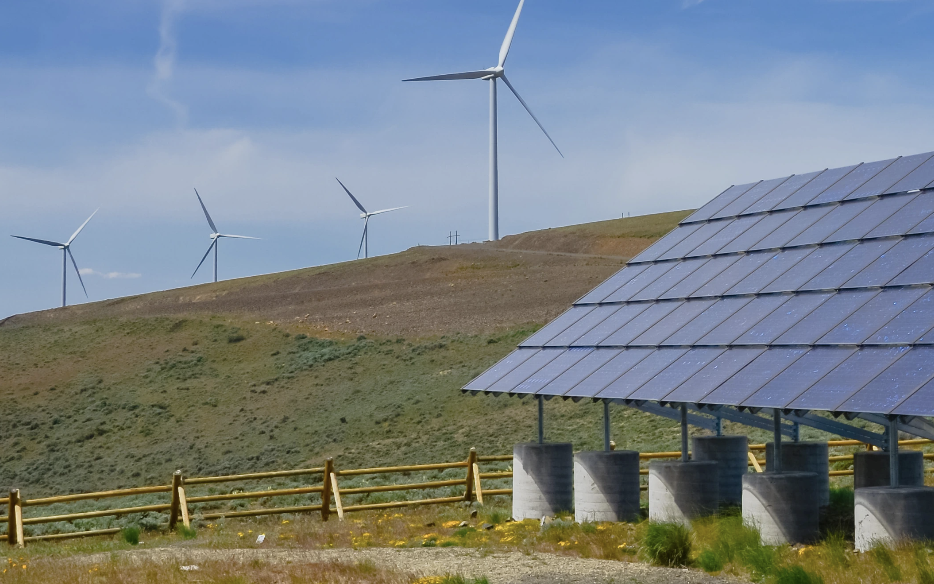
We see this kind of thinking play out in other ways, particularly with regard to conservation and wildlife. A utility-scale solar project in Douglas County was recently withdrawn by the developer, in part because of significant community and environmental opposition, including from the Washington Department of Fish and Wildlife. Much of that opposition centered around the potential existence of an endangered species – sage grouse – on the land where the development was planned. This has occurred elsewhere; a wind farm in Benton County was made to significantly reduce its scale based on the existence of historic and potential hawk nests.
There is a pattern at play. Clean energy projects are being stalled, scaled back, or stopped altogether because of the idea that they might – at some unknown future time – cause harm. But this approach ignores the reality that there is already material, demonstrable harm happening to working lands, air quality, and wildlife, and that is the exponential increase in wildfires and wildfire smoke, made worse by our prolonged reliance on fossil fuels.
We cannot keep waiting for perfection to take meaningful action. It’s time to take the shot.
Stay tuned for part two next week.
Now Open: 2027 Future of Carbon Policy Forum Registration
Tickets are now on sale for our 9th annual Future of Carbon Policy Forum!
Join us on Wednesday, January 6, 2027 at The Museum of Flight in Seattle as we bring together stakeholders across the ecosystem to help shape Washington’s climate and clean energy conversation and agenda.

This year’s program will explore innovations in transportation decarbonization, how Washington can build much more clean energy, much faster, and a preview of siting and permitting reforms at play during the 2027 legislative session. We’ll also present our annual David & Patricia Giuliani Clean Energy Entrepreneur Award at the reception.
Tickets are $175 and include the full program, reception, and the Giuliani Award presentation. Sponsorship packages include tickets and help make this event possible.
Thank you to our sponsors for supporting Washington’s clean energy leadership.
Follow Clean & Prosperous
Follow Clean & Prosperous on social media to learn about our work to accelerate clean energy and power prosperity for communities across Washington. You can find us on these channels:
- LinkedIn: @clean-and-prosperous
- Instagram: @cleanandprosperous
- Bluesky: @cleanandprosperous.bsky.social