WA Clean Energy Bottlenecks Block 580,000 Jobs
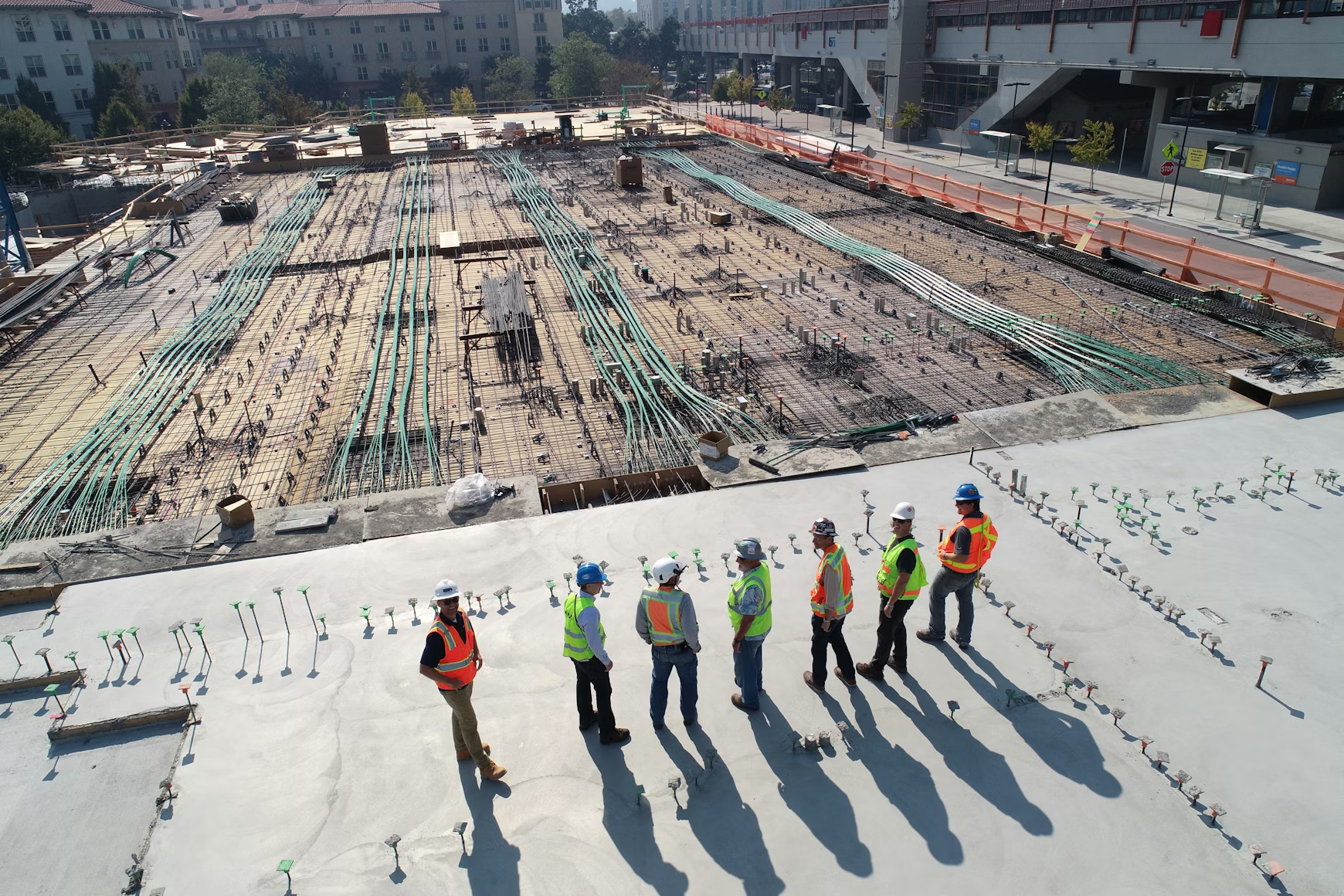
Monday is Labor Day, which gives us an opportunity to celebrate the contributions of working people across Washington state and the country. Washington’s high-skilled workforce has a long history of leadership across major industries, from aviation, to maritime, to cutting-edge innovative companies.
But right now, Washington state is putting an estimated 580,000 good-paying jobs at risk. Why? Our persistent and unaddressed clean energy development gridlock.

Our Build Sustainable High Impact Infrastructure Together (Build SHIIT) study dives into the details on the jobs trapped in Washington’s clean energy pipeline. We found:
- 580,000+ total jobs (defined as job years)
- Includes 319,000 construction jobs
- Almost 152,000 induced jobs from increased household spending power
- $60+ billion in labor income for WA households
Those 580,000 jobs supplement the projected impacts of the Climate Commitment Act (CCA), which could create 45,000 jobs over eight years, of which 3,600 are directly affiliated with clean energy.
Washington’s clean energy transition has the potential to create hundreds of thousands of good-paying jobs. But our persistent delays in clean energy siting, made worse by renewable NIMBYism, mean these jobs aren’t coming to fruition.
Bringing these good-paying jobs online requires the climate movement to acknowledge that clean energy development is central to our goals. Washington must build more clean energy, faster, or pay more for less of it. Delay is not free: the longer a project waits the more cost is ultimately passed to ratepayers, and the longer we wait to create these jobs, the more we risk the economic prosperity they help provide.
Read more:
Batteries Keep the Texas Grid Stable & Affordable
Here’s yet another dispatch from Texas’ clean energy boom: Batteries are helping make their grid more reliable and less expensive during periods of extreme demand, while also allowing the state to integrate more solar and wind.
This summer, Texas hit records for electricity demand, renewable generation, wind generation, and battery discharge. On one recent evening, batteries supplied a record 11,500 megawatts (MW) of power to the grid.
Despite high demand, the state’s grid operator hasn’t had to ask Texans to conserve energy, something it did six times during one week in 2023. By storing electricity when renewable generation is abundant and releasing it when the grid needs it most, batteries help extend the value of solar and wind while keeping prices and grid stress down.

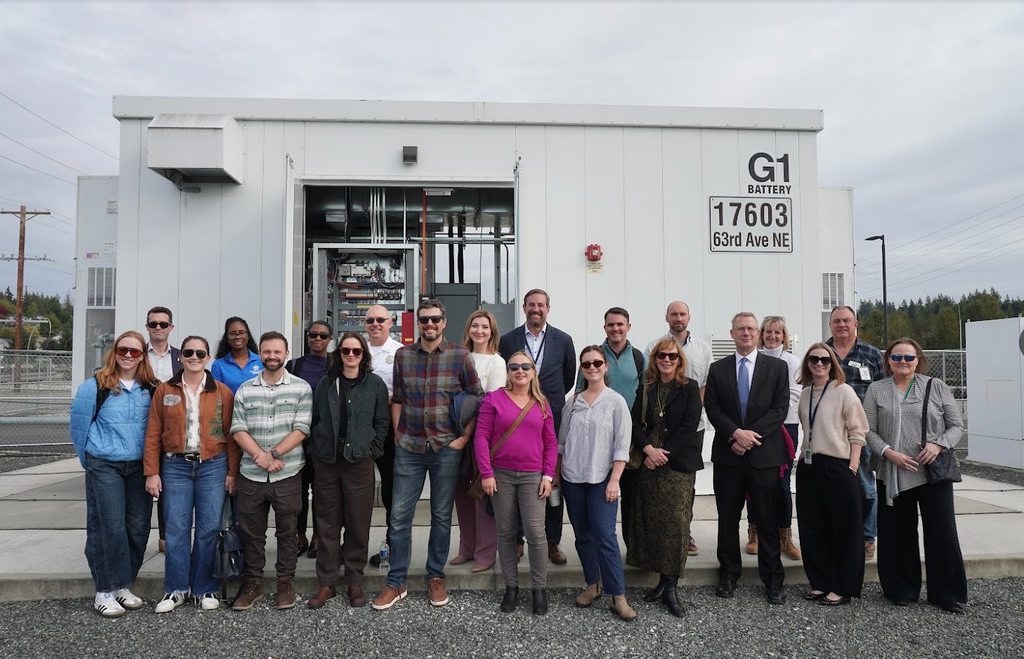
This was one of the major themes we explored during Study Mission 6.0 to Texas, where we saw what it takes to transform the grid and bring energy infrastructure online at scale. While Washington can’t (and shouldn’t) simply copy Texas, there are clear lessons in their policy and regulatory approaches that can help accelerate clean energy development here.
More batteries mean more clean energy available when we need it, more flexibility on the grid, and fewer reasons to rely on expensive fossil fuel generation during peak demand.
Free Webinar: Fleet Power & Infrastructure Planning — September 10
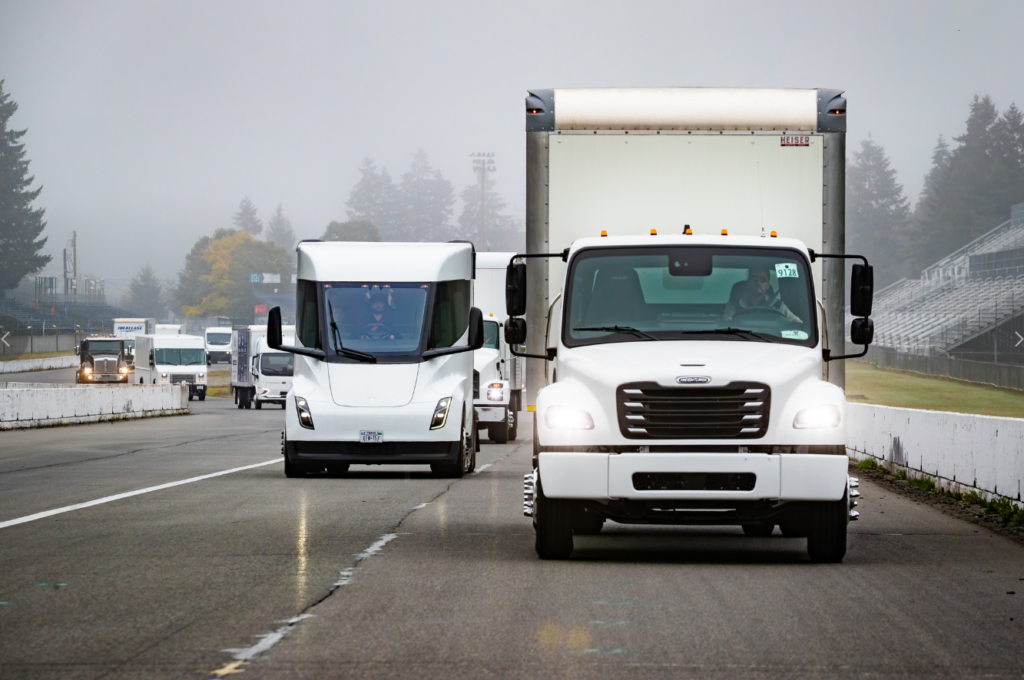
Is your fleet ready for electric vehicles, but you’re still working through the power and infrastructure questions? Our partners at Breaking Barriers Collaborative are hosting a free one-hour webinar panel on Thursday, September 10, from 10 – 11 a.m., bringing together experts from OpConnect, Portland General Electric, and a real-world fleet operator to walk through exactly what you need to know before you buy: power availability, charging infrastructure, site planning, and available funding.
It’s practical, free, and designed for fleet managers in Washington and Oregon who are ready to make the transition but want to get it right.
Follow Clean & Prosperous
Follow Clean & Prosperous on social media to learn about our work to accelerate clean energy and power prosperity for communities across Washington. You can find us on these channels:
- LinkedIn: @clean-and-prosperous
- Instagram: @cleanandprosperous
- Bluesky: @cleanandprosperous.bsky.social